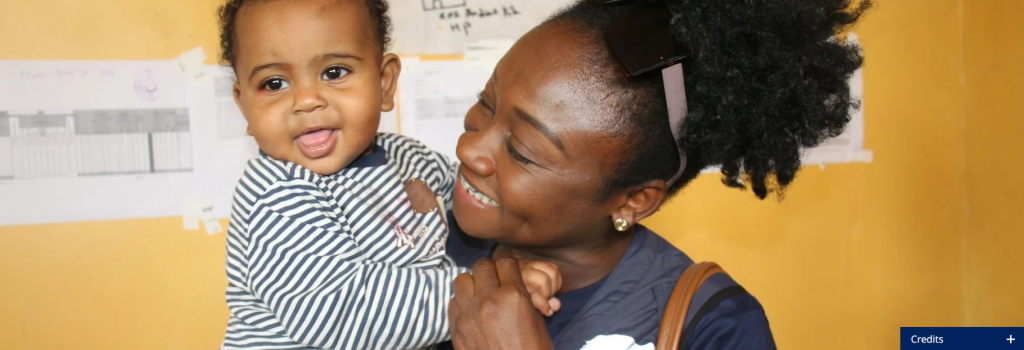
In a landmark step for global child health, the World Health Organization (WHO) has prequalified the world’s first malaria treatment specifically designed for newborns and young infants, offering renewed hope to millions of vulnerable families across malaria-endemic regions.For decades, babies under six months faced a dangerous treatment gap, often receiving malaria medicines intended for older children, increasing the risk of incorrect dosing and complications. WHO’s approval of this infant-specific formulation marks a critical breakthrough, ensuring safer, more accurate care for the youngest patients.
This milestone is especially significant for sub-Saharan Africa, where malaria remains one of the leading causes of illness and death among children. By enabling wider global procurement and distribution, WHO’s prequalification is expected to improve access to life-saving treatment for newborns who previously had limited therapeutic options.
Alongside this achievement, WHO has also approved new diagnostic tools to better detect evolving malaria strains, strengthening early detection and response.Together, these advancements signal a powerful shift in the fight against malaria—one that prioritizes precision, equity, and the protection of children from their very first days of life.As the world pushes toward malaria elimination, this breakthrough stands as a reminder that innovation can save even the smallest lives.
By Sharon Bose & Arundhuti Chatterjee